 Back to news
Island of Ireland Freshwater Stakeholder Survey Report 2025 published
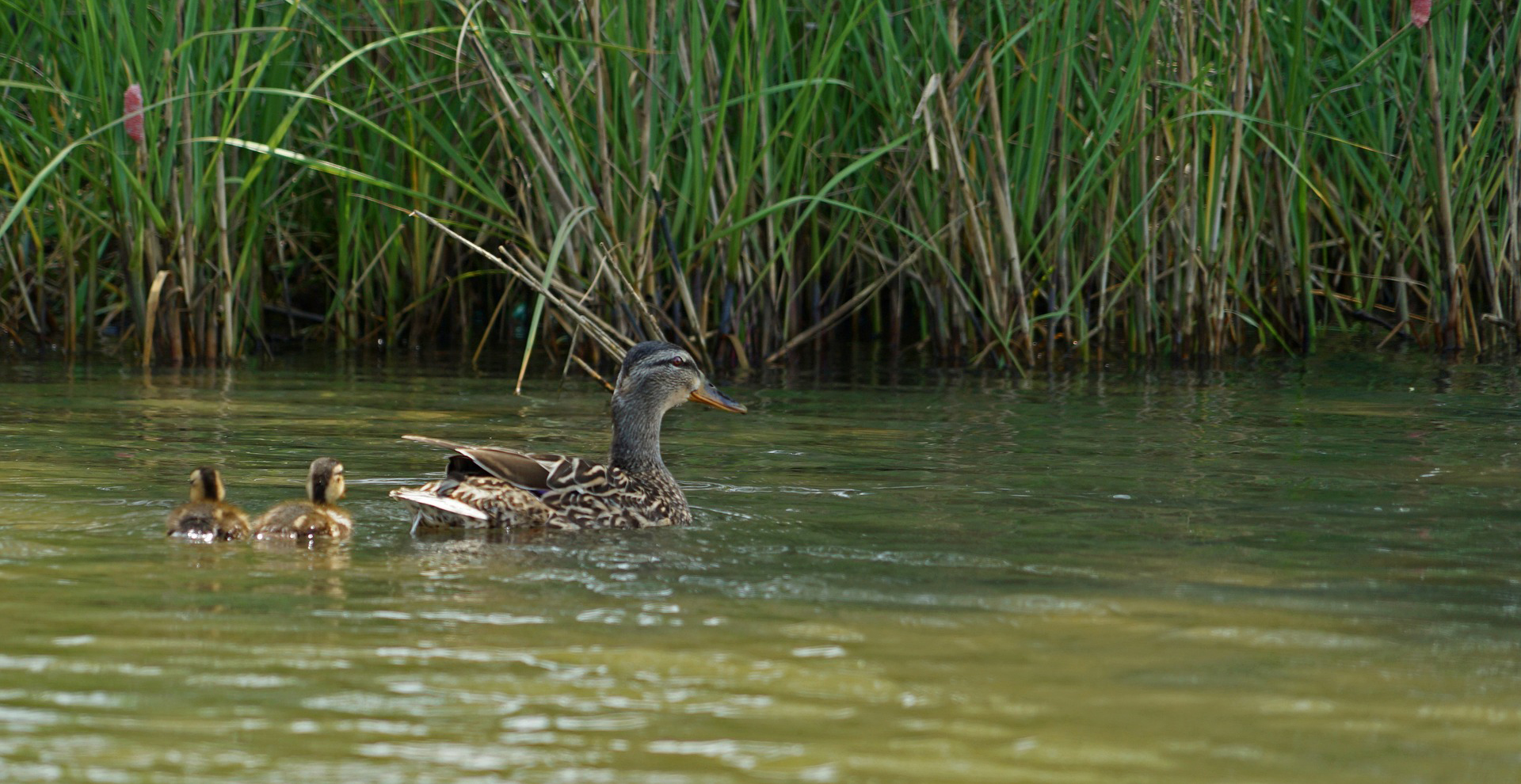
Image via Pixabay
During Summer 2025, Northern Ireland Environment Link (NIEL) and the Sustainable Water Network (SWAN) conducted an online survey to gather information about the work currently being done across the island of Ireland to protect and restore freshwater ecosystems. The survey was aimed at anyone working, either in a paid or a voluntary capacity, on freshwater-related issues. The purpose of the survey was to identify the key challenges to freshwater quality through a diverse range of questions. Three key themes emerged from an analysis of the results of the survey:
Political Advocacy and Engagement
In general terms, the survey findings indicate that there are concerns amongst freshwater stakeholders about the state of freshwaters across the island of Ireland, and about their ability to address the issues identified. These concerns go beyond the issue of funding and resourcing (although this did emerge as a key challenge), but relate to more systemic problems within freshwater governance, legislation and regulation. Indeed, the survey results shine a spotlight on the issue of political decision-making related to freshwater issues and suggest that respondents feel a lack of confidence in decision-making and commitment at the highest levels. These results highlight the importance of effective political advocacy and engagement in underpinning the systemic issues identified above.
Freshwater and Agriculture
Overall, there is a clear consensus amongst respondents on the need to address the issue of water pollution from a range of sources, particularly agriculture. Data from the survey indicates that most time and resources are currently being directed towards addressing agricultural pollution. This is indicated as being the top priority work area for respondents over the next five years, but also the area where stakeholders find that progress is most difficult.
Most respondents indicated a lack of staff/capacity as a major constraint to delivering on their priorities. Increasing the number of staff with expertise in this area, and/or improving capacity for increased work across sectors (primarily the agriculture sector) could make a significant difference to freshwater progress. In addition to the points made above, the results suggest that overcoming political inertia around agricultural law and policy could lay the foundation for improvements to water quality outcomes.
Collaboration and Coordination
The results also highlight the importance of improved collaboration and coordination of efforts in the freshwater context. Where there is clear alignment in terms of key challenges and priorities for future work (coupled with a widespread lack of capacity and resource) a logical approach would be to pool resources, share, and combine cross-sectoral voices to strengthen political messaging.
The survey report can be read in full below:
Read more